
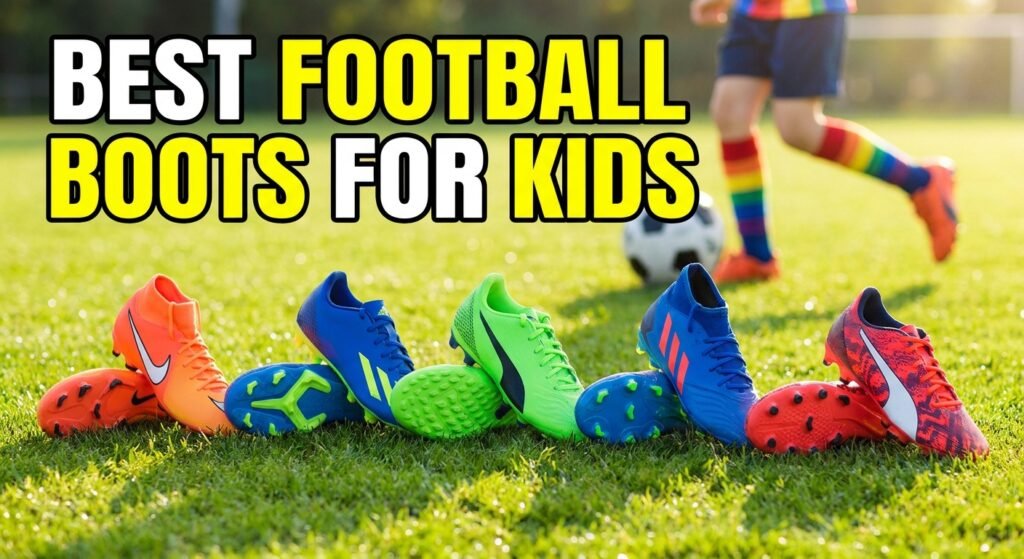

Choosing the Perfect Pair: Best Football Boots for Kids
Finding the right football boots for your child is crucial for their comfort, performance, and safety on the pitch. With so many options available, it can be overwhelming to know where to start. This guide from Strikrz will walk you through the essential factors to consider, helping you pick the perfect pair of junior football boots that support their growing feet and boost their game.
Why the Right Boots Matter for Young Players
Ill-fitting or unsuitable football boots can lead to discomfort, blisters, and even injuries, impacting a child’s enjoyment and development in the sport. A well-chosen pair ensures stability, grip, and protection, allowing them to focus on honing their skills.
Key Factors to Consider When Buying Kids’ Football Boots
Here’s what you need to look for to make an informed decision:
1. Playing Surface
The type of pitch your child plays on most frequently is perhaps the most critical factor in choosing the right boots.
- FG (Firm Ground): Ideal for natural grass pitches that are dry and firm. These typically have moulded plastic or rubber studs for excellent traction.
- AG (Artificial Ground): Designed for modern 3G or 4G synthetic pitches. They feature more studs that are shorter and often hollowed out, spreading pressure evenly and preventing studs from getting stuck.
- MG (Multi-Ground): A versatile option if your child plays on various natural and artificial surfaces. These soleplates offer a good balance of grip and comfort.
- SG (Soft Ground): Best for wet, muddy, or poorly drained natural grass pitches. These boots have fewer, longer, often metal-tipped screw-in studs for maximum grip.
- TF (Turf): Features a rubber sole with many small, pimpled studs, suitable for older astroturf, hard ground, or sand-based pitches.
- Indoor: Flat, non-marking gum rubber soles for indoor courts and futsal.
2. Fit and Comfort
Comfort is paramount. Boots that are too tight cause pain, while those too loose can reduce control and lead to blisters.
- Snug Fit: The boot should fit snugly around the heel and midfoot, with about a thumb’s width (1-1.5 cm) of space at the toe. This allows for growth without being too loose.
- Ankle Support: Look for good ankle support and cushioning, especially for kids who train frequently. Some models feature sock-like collars for added stability.
- Internal Padding: Padded interiors, particularly around the heel and ankle, help reduce impact and friction.
- Try On with Football Socks: Always have your child try on boots while wearing the football socks they’ll use for games, as these are often thicker than regular socks.
3. Material
The upper material impacts durability, feel, and maintenance.
- Synthetic: Durable, easy to clean, weather-resistant, and generally more affordable. They are often recommended for young players due to their durability and ease of care.
- Leather: Offers a softer feel and molds to the foot for greater comfort over time, but can be less durable and harder to clean than synthetic options.
4. Fastening
Consider what works best for your child’s age and ability:
- Laces: Provide the most adjustable and secure fit.
- Laceless: Offer a snug, hassle-free fit, great for younger kids who can’t tie laces.
- Velcro: Easy for young children to put on and take off while still offering good support.
5. Durability and Price
Kids’ feet grow quickly, and their boots endure a lot of wear and tear. While it might be tempting to buy a cheaper pair, investing in durable boots can save money in the long run.
- Tiers: Brands like Nike, Adidas, and Puma often offer boots in different tiers (Elite, Pro, Academy, Club/League). Mid-tier options like ‘Academy’, ‘League’, or ‘Match’ models provide excellent value, comfort, traction, and durability without the premium cost of elite models that children will quickly outgrow.
- Check for Wear: Regularly inspect boots for cracks, loose stitching, or worn-down traction, which can indicate it’s time for a new pair.
Top Considerations by Playing Style and Need
While specific models change frequently, here are general recommendations based on common needs:
- For Speedsters: Look for lightweight boots with responsive outsoles, such as models from the Nike Mercurial range.
- For Control and Precision: Boots like the Adidas Predator or Nike Phantom series often feature textured uppers designed to enhance ball grip and touch.
- For Comfort and Ball Touch (Beginners/Wider Feet): The Nike Tiempo line is renowned for its soft synthetic leather upper, comfort, and adaptability, making it a great choice for beginners or those with wider feet. Adidas Copa and Puma Future models also offer comfortable, adaptive fits.
- For Versatility: Boots with MG (Multi-Ground) soleplates, such as the Adidas Kids Predator MG, are excellent for kids who play on various surfaces.
Sizing Tips for Growing Feet
Measuring your child’s feet accurately is vital. Have them stand on a piece of paper with their heel against a wall, wearing football socks. Trace their foot and measure the length to the tip of their longest toe. Remember that kids’ feet can grow half a size in just a few months. Don’t buy boots that are significantly too large, as this can hinder performance and increase injury risk.
Conclusion
Choosing the best football boots for your child involves balancing several factors: the playing surface, proper fit and comfort, material, and budget. By prioritizing these elements, you can ensure your young footballer has the support and confidence they need to enjoy the beautiful game and develop their skills safely. Visit Strikrz today to explore our wide range of kids’ football boots and find their perfect match!