
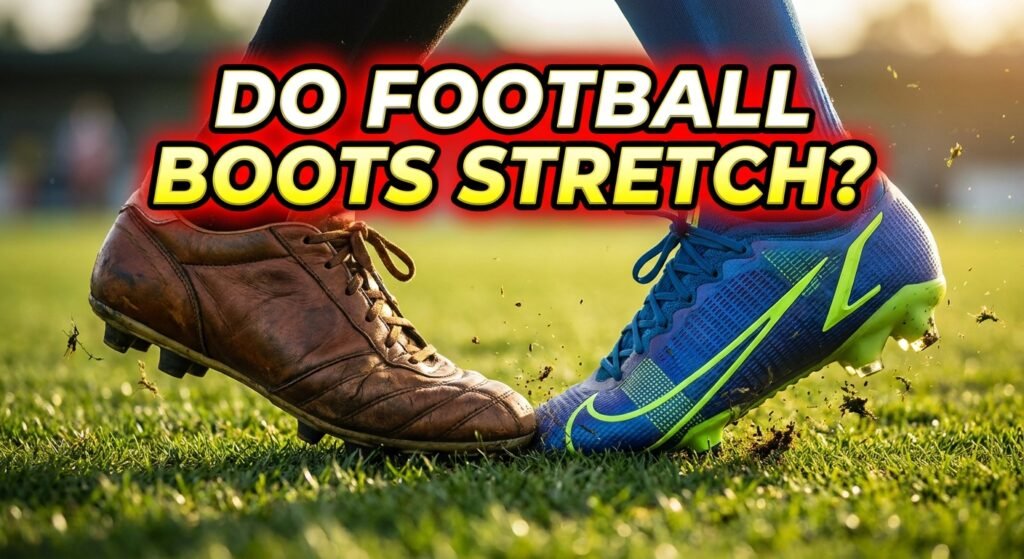

Do Football Boots Stretch? Understanding Your Footwear
It’s a common question among footballers: do football boots stretch? The answer isn’t a simple yes or no; it largely depends on the material your boots are made from. Understanding how different materials behave is crucial for achieving the perfect fit, comfort, and performance on the pitch.
The Role of Material: Leather vs. Synthetic vs. Knit
The primary factor determining whether your football boots will stretch, and by how much, is the material used in their construction.
Leather Football Boots
Natural leather, particularly premium kangaroo leather, is renowned for its ability to stretch and mould to the unique contours of your foot. This characteristic is why many players prefer leather boots, as they can offer a highly personalized and comfortable fit after a short break-in period. Over time, leather boots will expand, conforming to your foot’s shape, which can be particularly beneficial for players with wider feet.
Synthetic Football Boots
Most modern synthetic football boots offer very little to no stretch. While some advanced synthetic materials are designed to be supple and offer some initial give to mould to the foot, they won’t stretch significantly or overstretch like natural leather. This means that accurate sizing is critical when purchasing synthetic boots, as what you feel out of the box is generally what you’ll get.
Knit Football Boots
Knit materials, often seen in sock-like collars and certain upper constructions, offer a degree of elasticity and stretch. These boots are designed to provide a snug, adaptive fit that can contour to your foot. While they offer more flexibility than traditional synthetics, their stretch is typically controlled and less dramatic than natural leather.
Why Does Stretching Matter for Fit?
The way your football boots stretch directly impacts their fit, comfort, and ultimately, your performance. A boot that stretches appropriately can reduce pressure points, prevent blisters, and provide a more natural feel for the ball. Conversely, a boot that is too tight and doesn’t stretch, or one that stretches too much and becomes loose, can lead to discomfort, loss of lockdown, and even potential injuries.
Choosing the Right Size: Tips for Optimal Fit
Given the varying stretch properties, selecting the correct size is paramount.
Consider Your Foot Type
- Foot Length: Always measure your foot length accurately, preferably with the socks you’ll wear during play.
- Foot Width: If you have wide feet, leather boots are often a good choice due to their stretching capabilities. Some brands also offer specific wider models.
Sizing Recommendations by Material
| Material Type | Sizing Recommendation | Notes |
|---|---|---|
| Leather Boots | Buy them very tight, almost uncomfortable. | They will stretch and mould to your foot. No need to add extra toe space. |
| Synthetic Boots | Allow 4-8mm of space in front of your toes. | Accurate sizing is critical as they stretch minimally. |
| Knit Boots | Aim for a snug, comfortable fit. | They offer adaptive stretch but won’t dramatically change size. |
While some elite players might size down by half or a full size for a more sensitive touch, recreational players generally benefit from choosing their true size for comfort.
How to (Carefully) Encourage Stretch
If your boots feel a bit too snug, there are methods to encourage them to stretch, particularly for leather and some synthetic models:
- Wear Them In: Simply wearing your new boots around the house or during light training sessions is often the best way to break them in and allow them to naturally conform to your feet.
- Warm Water Method: For stubborn areas, standing in warm (not hot) water with your boots on for 15-20 minutes can help loosen and stretch the material.
- Hair Dryer (for Synthetics): A hair dryer on a low heat setting can sometimes help loosen synthetic materials.
- Shoe Trees/Newspaper: After wearing or using any stretching methods, pack your boots with shoe trees or old newspapers to help them maintain their shape as they dry.
Remember, laceless football boots stretch in a similar fashion to their laced counterparts, so these methods can apply to them too.
Conclusion
In summary, the extent to which football boots stretch is primarily determined by their material. Leather boots will stretch and mould significantly, offering a custom fit, while synthetic and knit boots provide a more consistent, form-fitting experience with less stretching. By understanding these differences and choosing the right size for your foot and material preference, you can ensure your Strikrz boots provide optimal comfort and performance on the pitch.